Cosmetic
The clean teeth plot twist: 6 tiny habits that make your smile look more yellow
• • 5 min read
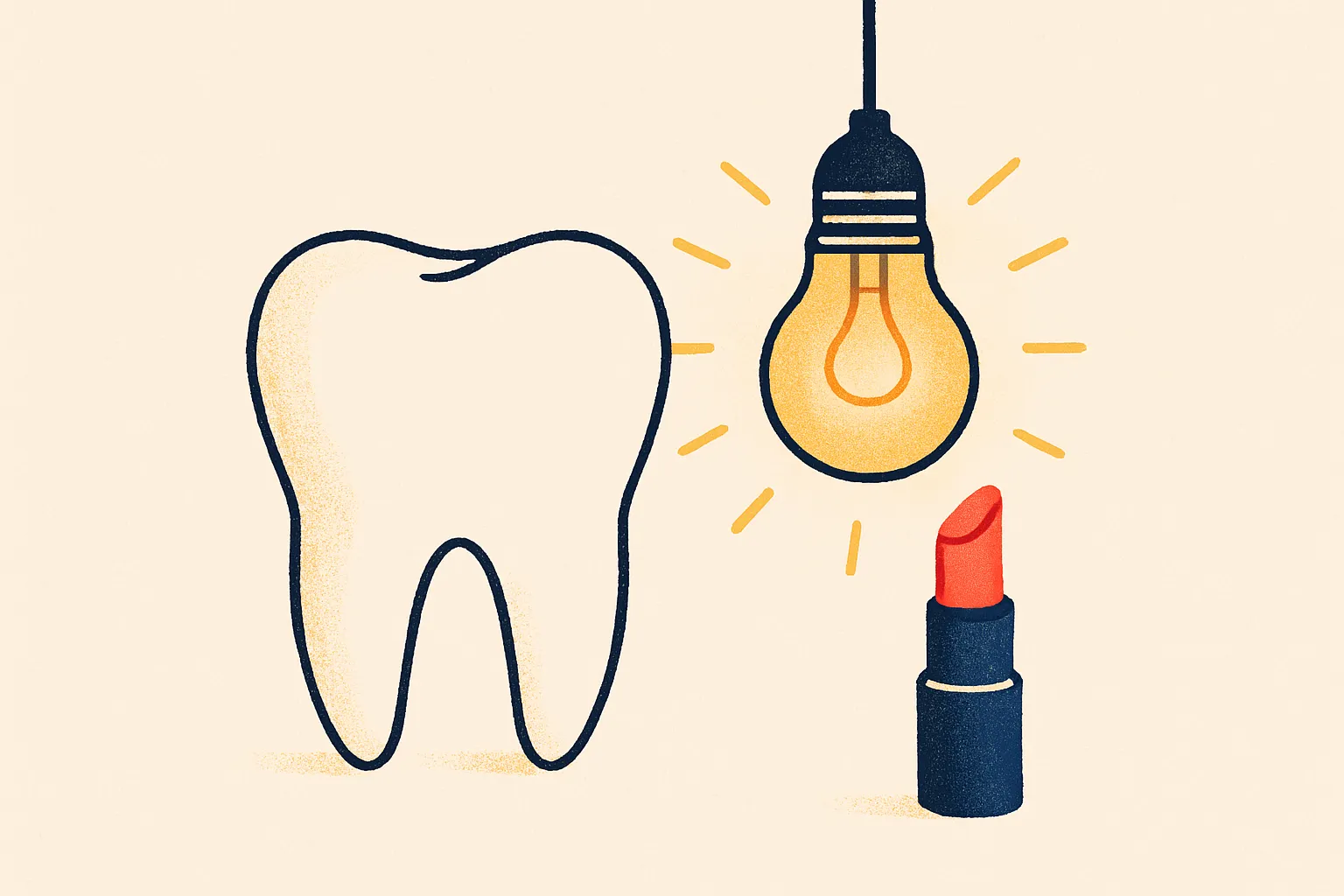
Six everyday habits can shift how yellow clean teeth look, sometimes without adding a single surface stain.
Your teeth can be completely clean and still look yellower than they did in the car mirror five minutes ago. That is because tooth color is influenced by lighting, moisture, nearby colors, clear appliances, and enamel changes, not just surface stains. These six tiny habits can turn up the yellow visually, sometimes without discoloring the teeth at all.
Healthy teeth naturally come in shades of ivory, cream, and pale yellow. Enamel, the hard outer layer of a tooth, is slightly translucent. Underneath it sits dentin, a naturally warmer yellow layer that makes up most of the tooth.
In other words, a hint of yellow can be normal anatomy, not evidence that your toothbrush has resigned.
Genetics, age, enamel thickness, existing fillings, and crowns can all affect what you see. Cleaning removes plaque and some surface buildup, but it does not change the natural color inside a tooth.
Warm bulbs bring out cream, gold, and yellow tones. Your phone can complicate things further by automatically adjusting color and brightness. The same smile may look warmer in the bathroom, cooler near a window, and suspiciously perfect after a camera filter gets involved.
If you track your tooth color, compare it in indirect daylight and under the same conditions each time. Your bathroom bulb is not a licensed shade consultant.
Color contrast can change how white teeth appear. Lip colors with orange, peach, coral, or brown undertones may emphasize warm shades in enamel. Bright white shirts, scarves, and collars can also create a stronger contrast beside a naturally ivory smile.
Colors with blue or berry undertones often create the opposite optical effect. This is not a dental treatment, of course. It is simply the color wheel doing a tiny magic trick beside your mouth.
Saliva helps wash the mouth and gives enamel a smooth, reflective surface. When your mouth is dry, teeth may look less glossy or slightly duller, which some people perceive as more yellow.
Dehydration, mouth breathing, certain medications, and some health conditions can contribute to dry mouth. Regular water intake and sugar-free gum may help some people, but ongoing dryness is worth mentioning to a dentist or physician. It can also raise the risk of cavities and gum problems, so this one matters beyond the selfie.
Your teeth may be spotless while the plastic covering them has become cloudy or yellowed. Retainers, aligners, and night guards can collect film, become scratched, or pick up color from drinks. That tint can change the appearance of your whole smile while the appliance is in place.
Follow the cleaning instructions provided for your appliance. Hot water can distort some plastics, and abrasive toothpaste may scratch them. If a clear appliance stays cloudy after proper cleaning, ask your dental team whether it needs professional cleaning or replacement.
A drink does not need dark pigment to affect tooth color over time. Frequent exposure to acidic beverages can gradually wear enamel, allowing more of the naturally yellow dentin underneath to show through.
Enamel erosion means the outer tooth layer is chemically worn away by acid.
Soda, sports drinks, energy drinks, lemon water, and some sparkling beverages may be acidic. Frequency matters, so slowly sipping one for hours creates more acid exposure than finishing it with a meal. Plain water between meals is the friendliest background beverage for teeth.
Enamel does not grow back after it is lost. A dentist can check for erosion and discuss ways to limit further wear based on your habits and oral health.
More pressure does not equal more whitening. Forceful brushing, especially with hard bristles or an abrasive toothpaste, can contribute to enamel wear and gum recession over time.
Gum recession means the gums pull back and reveal more of the tooth or root. Root surfaces are naturally more yellow than enamel, so exposed areas can change the overall look of a smile even when everything is clean.
A soft toothbrush, fluoride toothpaste, and gentle pressure are usually enough. If your bristles quickly flatten or point sideways, your technique may be a little too enthusiastic. A dental hygienist can demonstrate an effective approach without turning brushing into an arm workout.
Start with the basics: brush twice a day, clean between the teeth daily, and keep up with professional exams and cleanings. These habits help remove plaque and surface buildup, but they cannot make every natural tooth shade bright white.
Before trying whitening, it helps to learn what is causing the color. Natural teeth may respond differently from fillings, veneers, and crowns, which do not whiten like enamel. Sensitivity, cavities, gum irritation, or enamel wear may also affect which cosmetic options are appropriate.
A dentist can separate surface discoloration from natural dentin color, erosion, recession, or a restoration that no longer matches. You can also explore Dental Spot services for professional guidance on cosmetic and preventive care.
Gradual, even yellowing is often different from one tooth suddenly becoming darker. A new color change in a single tooth, especially after an injury or alongside pain or swelling, should be evaluated by a dentist.
Severe swelling, uncontrolled bleeding, or a knocked-out tooth requires urgent dental or emergency care right away.
You can book a visit with Dental Spot in Farmington Hills on Monday, Wednesday, or Friday, or visit the Lathrup Village office on Tuesdays. Most PPO plans are accepted, and the conversation stays friendly, practical, and judgment free.
This article is for general education and is not dental or medical advice. For personal concerns, see a dentist.